
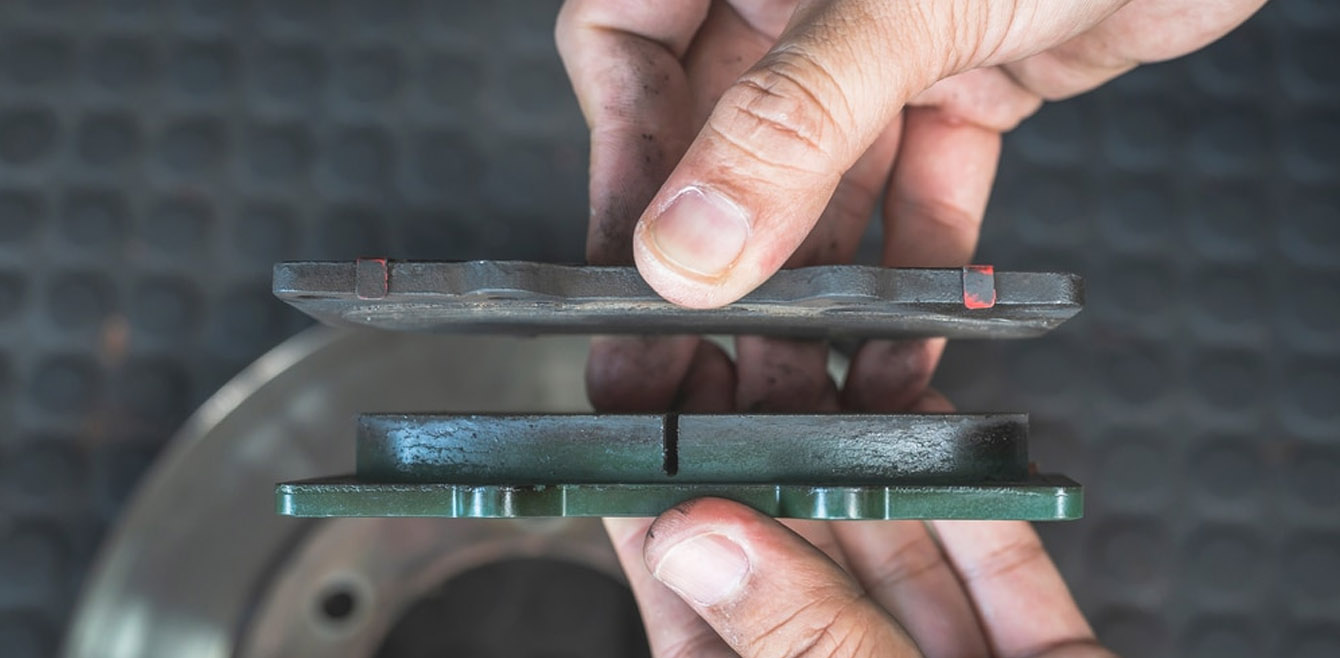
Why Brake Pads Matter
Brake pads are the parts that press against the rotor to slow your vehicle down. They wear a little with every stop, which is normal. The problem begins when they wear past their usable thickness, because braking becomes weaker and less predictable exactly when you need it most.
Catching wear early is far cheaper and safer than waiting until the pads are gone and the rotors are damaged.
Warning Sign 1: A High-Pitched Squeal
Many pads include a small metal wear indicator that makes a high-pitched squeal when the pad gets thin. If you hear a steady squeal that appears when you are not even braking, it is often the indicator telling you the pad is due for replacement.
Warning Sign 2: A Grinding Sound
A harsh grinding noise usually means the pad material is already gone and metal is contacting metal. At this stage braking is unsafe and the rotor is likely being damaged. The vehicle should be inspected right away.
Warning Sign 3: Longer Stopping Distance
If the vehicle takes longer to stop, or the brake pedal feels soft or low, the braking system is not performing the way it should. Reduced stopping power is one of the clearest reasons to have the brakes checked.
What To Do Next
Need a brake inspection? Visit Northeast Car Care Centre or call 0917-578-0410.
Northeast Car Care Centre - Professional Care For Every Journey
- Have the pads and rotors inspected if you notice any of these signs
- Do not delay once you hear grinding
- Keep to a regular brake inspection schedule during preventive maintenance
References
These sources were used only to verify safety references and minimum tread-depth guidance. The article text above is original Northeast Car Care Centre educational content.
Join the discussion
0 Comments
Share a helpful thought or question about this article.