
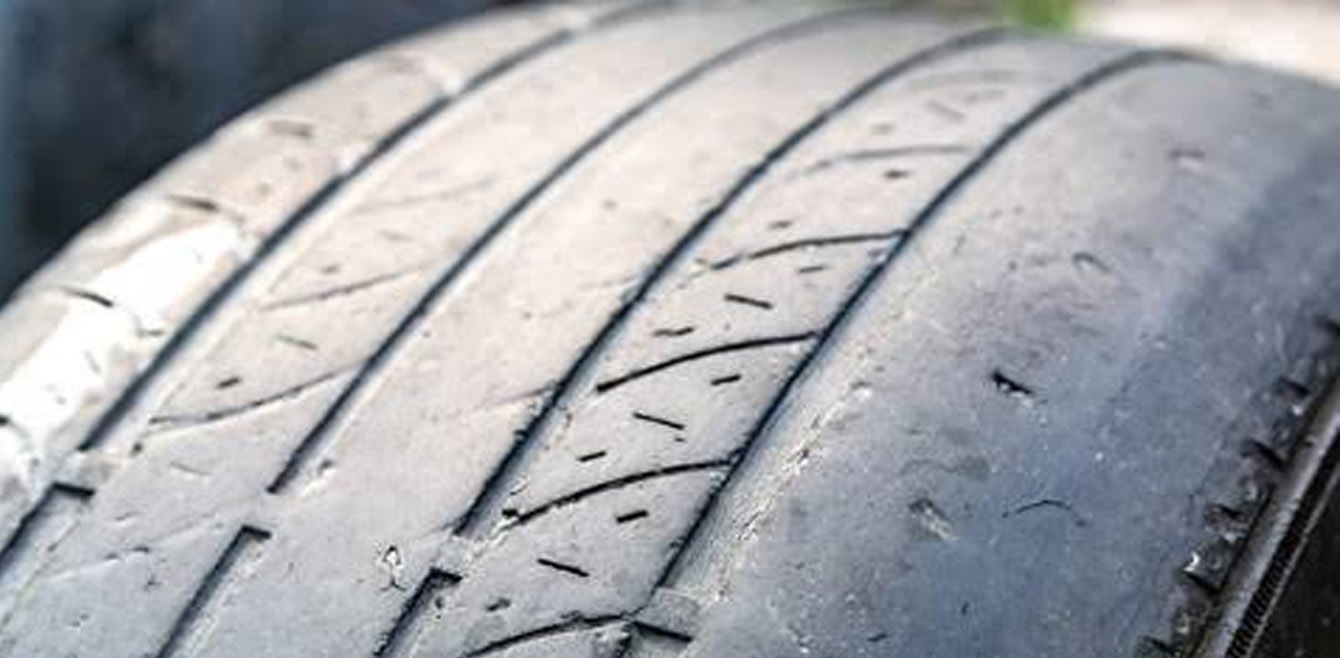
Why Tread Depth Deserves Attention
Your tires are the only parts of the vehicle that touch the road. Every stop, turn, acceleration, and emergency maneuver depends on the tire’s ability to keep contact with the surface beneath it.
The grooves in a tire are not just for appearance. They help channel water away from the contact patch so the tire can keep gripping the road, especially during rain. When the tread becomes shallow, that water has less space to move through, and the tire becomes less prepared for wet conditions.
What Happens When Tread Gets Too Low
As tread wears down, the tire loses some of its ability to clear water. On a wet road, this can make braking feel less confident and can reduce the driver’s control during steering. In heavier rain or at higher speeds, the tire may ride on a layer of water instead of gripping the pavement, which is commonly called hydroplaning.
Low tread can also increase stopping distance. That extra distance matters in traffic, on provincial roads, near pedestrian crossings, or when another vehicle suddenly slows down. For family vehicles and commercial units, waiting too long to replace worn tires can create avoidable risk.
Philippine Inspection and Safety Reference
Philippine inspection guidance places importance on tire wear indicators. If the wear indicator is already exposed, the tire should be treated as unsafe for continued use. The same guidance also discourages regrooving tires just to make the tread appear deeper than it really is.
In simple terms: a tire should not be made to look acceptable if the usable tread is already gone. Tire safety should be based on the real condition of the rubber, not on cosmetic changes.
Minimum Tread Depth Reference
A commonly used minimum tread depth reference is 1.6 mm. Michelin Philippines also states 1.6 mm as a minimum tread depth reference.
For safety, especially in Philippine rainy conditions, vehicle owners should not wait until every tire reaches the absolute minimum. If the vehicle is used for family travel, daily commuting, provincial routes, or business deliveries, it is better to plan tire replacement before grip becomes seriously reduced.
Practical Tire Depth Guide
- 6 mm and above: Healthy tread. Continue normal checks and maintain proper inflation.
- 4-5 mm: Still usable, but monitor more regularly, especially before long trips or rainy-season driving.
- 3 mm: Wet-road grip is reduced. Start planning replacement instead of waiting for the tire to reach the wear bar.
- 1.6 mm or wear bar exposed: Replace immediately. This is no longer a wait-and-see condition.
- Uneven tread: Have the tire, alignment, suspension, and inflation condition inspected.
How to Check Tire Depth
The most direct way to check tread depth is with a tread depth gauge. Place the gauge into a main tread groove and take readings in more than one area of the tire. Check the inner, center, and outer portions because a tire can look acceptable from one angle while being badly worn on another side.
You should also look for tread wear bars. These are raised bars inside the grooves. If the surrounding tread is already level with these bars, the tire has reached the point where replacement is needed.
Uneven Tire Wear Patterns
- Inner or outer edge wear may point to alignment concerns, worn suspension parts, or steering geometry issues.
- Center wear often suggests the tire has been running with too much pressure for its load and use.
- Shoulder wear on both sides can happen when a tire is repeatedly driven underinflated or heavily loaded.
- Cupping or patchy wear may be connected to worn shocks, suspension looseness, wheel imbalance, or other rotating-part concerns.
Why This Matters in Philippine Driving
Local driving conditions can be hard on tires. Rain, potholes, road repairs, rough provincial routes, sudden braking, and daily stop-and-go traffic all add stress. Vehicles used for family travel or commercial work often carry different loads, making tire condition even more important.
A tire that looks “good enough” while parked may behave differently during a sudden stop in the rain. That is why tread depth, inflation, alignment, and visible tire damage should be checked as part of regular maintenance.
When to Replace Tires
- The tread wear bar is exposed or nearly level with the tread.
- Tread depth is at or near 1.6 mm.
- Wet-road braking feels weak or uncertain.
- The vehicle slides, pulls, or feels unstable in rain.
- There are cracks, bulges, exposed cords, cuts, or sidewall damage.
- One tire is wearing faster than the others.
- The tire repeatedly loses air even after inflation.
- Vibration or road noise appears together with uneven tread wear.
Need a Tire Safety Check?
Visit Northeast Car Care Centre for tire inspection, tread depth checking, wheel alignment, tire services, and practical maintenance advice.
Need a tire safety check? Visit Northeast Car Care Centre or call 0917-578-0410.
References
These sources were used only to verify safety references and minimum tread-depth guidance. The article text above is original Northeast Car Care Centre educational content.
Join the discussion
0 Comments
Share a helpful thought or question about this article.